Assam — Assam State Zoo cum Botanical Garden
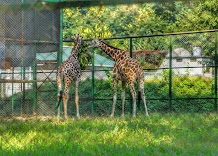
The Assam State Zoo cum Botanical Garden—commonly called the Guwahati Zoo—is the largest zoo and botanical garden in Northeast India, located within the Hengrabari Reserved Forest in Guwahati. Spread across approximately 432 acres (175 hectares), this unique green oasis is often referred to as the “green lung” of the city
Nestled between the mighty Brahmaputra, Lohit, and Dibru rivers in eastern Assam, Dibru‑Saikhowa spans ~350 km² as a core zone of a 765 km² biosphere reserve . Created in 1999 (biosphere reserve since 1997), it protects rare swamp forests, grasslands, wetlands, and rainforests — shaped by the 1950 earthquake .
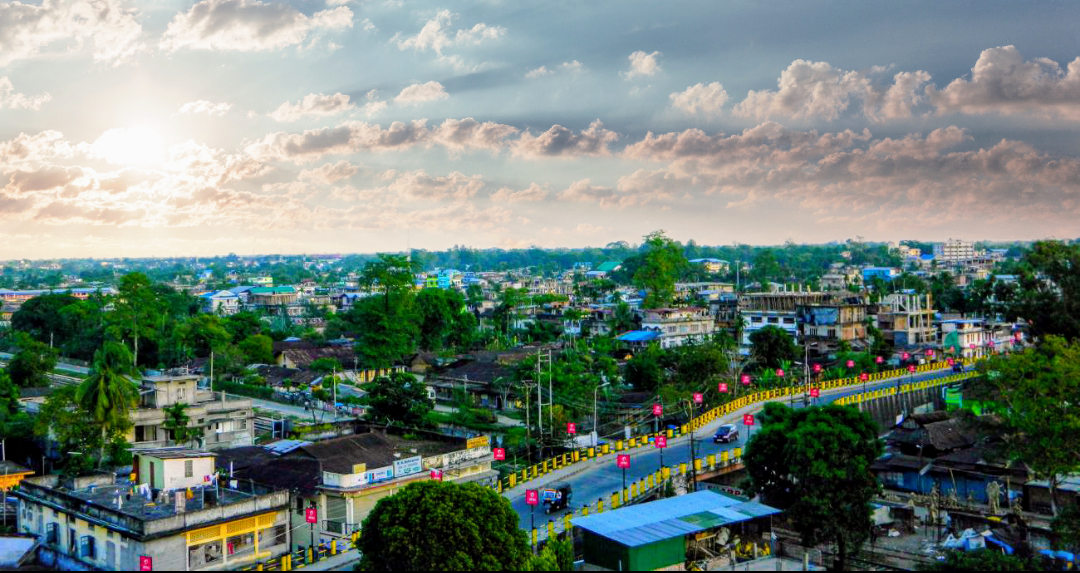
Nestled on the southern banks of the Brahmaputra River in Upper Assam, Dibrugarh is a vibrant blend of industry, culture, and natural beauty. Known as a major hub for tea, oil, timber, education, and river commerce, it’s also a scenic gateway to Assam’s forests and Arunachal Pradesh.
Fancy Bazaar sits in the core of Guwahati, adjacent to Pan Bazaar and Lakhtokia. Dating back to colonial times when it was called “Phansi Bazaar” (from the gallows located here), today it's a vibrant, labyrinthine marketplace and a central business centre of Northeast India.
Guwahati, nestled on the southern banks of the Brahmaputra River, is the largest city in Assam and the beating heart of Northeast India. With its rich blend of ancient heritage, vibrant culture, natural beauty, and urban charm, Guwahati serves as both a spiritual and commercial hub of the region.
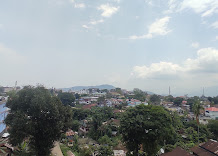
Nestled at around 966 m above sea level, Haflong is the sole hill station in Assam, often called the “White Ant Hills Town” or the “Switzerland of the Northeast”.
Nestled near Jorhat, Assam, the Hoollongapar Gibbon Sanctuary (also known as Hollongapar Gibbon Sanctuary) covers roughly 21 sq km of lush, evergreen semi-evergreen forest conservationindia.org +14 en.wikipedia.org +14 timesofindia.indiatimes.com +14 . Established officially in 1997, it was originally a British-era reserved forest (since 1881) and was named after the dominant hollong tree (Dipterocarpus)
A Hidden Treasure of Assam Nestled near Naharjan Gaon, around 13 km from Bokakhat and approximately 23–30 km from Kaziranga National Park, Kaipholangso (locally also called Kakochang) is a stunning waterfall situated in the Karbi Anglong / Golaghat border region
Located just outside Kaziranga National Park, near Kohora (about 1–2 km from the central range), the Kaziranga National Orchid and Biodiversity Park was launched in October 2015 by the Krishak Mukti Sangram Samiti under Akhil Gogoi’s leadership . Spread over roughly 6 acres (16 bighas), it is the largest orchid park in Northeast India .
Kaziranga National Park, located in the northeastern state of Assam, India, is one of the most celebrated wildlife sanctuaries in the country and a UNESCO World Heritage Site since 1985. Spanning across the floodplains of the Brahmaputra River, it is a biodiverse haven that offers an extraordinary blend of grasslands, wetlands, and tropical forests.
The Maa Kamakhya Temple, located on the Nilachal Hill in Guwahati, Assam, is one of the oldest and most revered centers of Tantric practices in India. Dedicated to Goddess Kamakhya, an incarnation of Shakti (Devi Durga), it is among the 51 Shakti Peethas and holds immense religious, cultural, and spiritual significance.
Manas National Park, located in the state of Assam along the foothills of the Eastern Himalayas, is one of India’s most spectacular and ecologically rich wildlife reserves. It is a UNESCO World Heritage Site, a Project Tiger Reserve, a Biosphere Reserve, and an Elephant Reserve—all in one.
Nameri National Park & Forest Reserve, nestled in the foothills of the eastern Himalayas (Sonitpur district, Assam), spans about 200 km² and forms the core of the larger ~344 km² Nameri Tiger Reserve (with Sonai-Rupai as satellite core) .
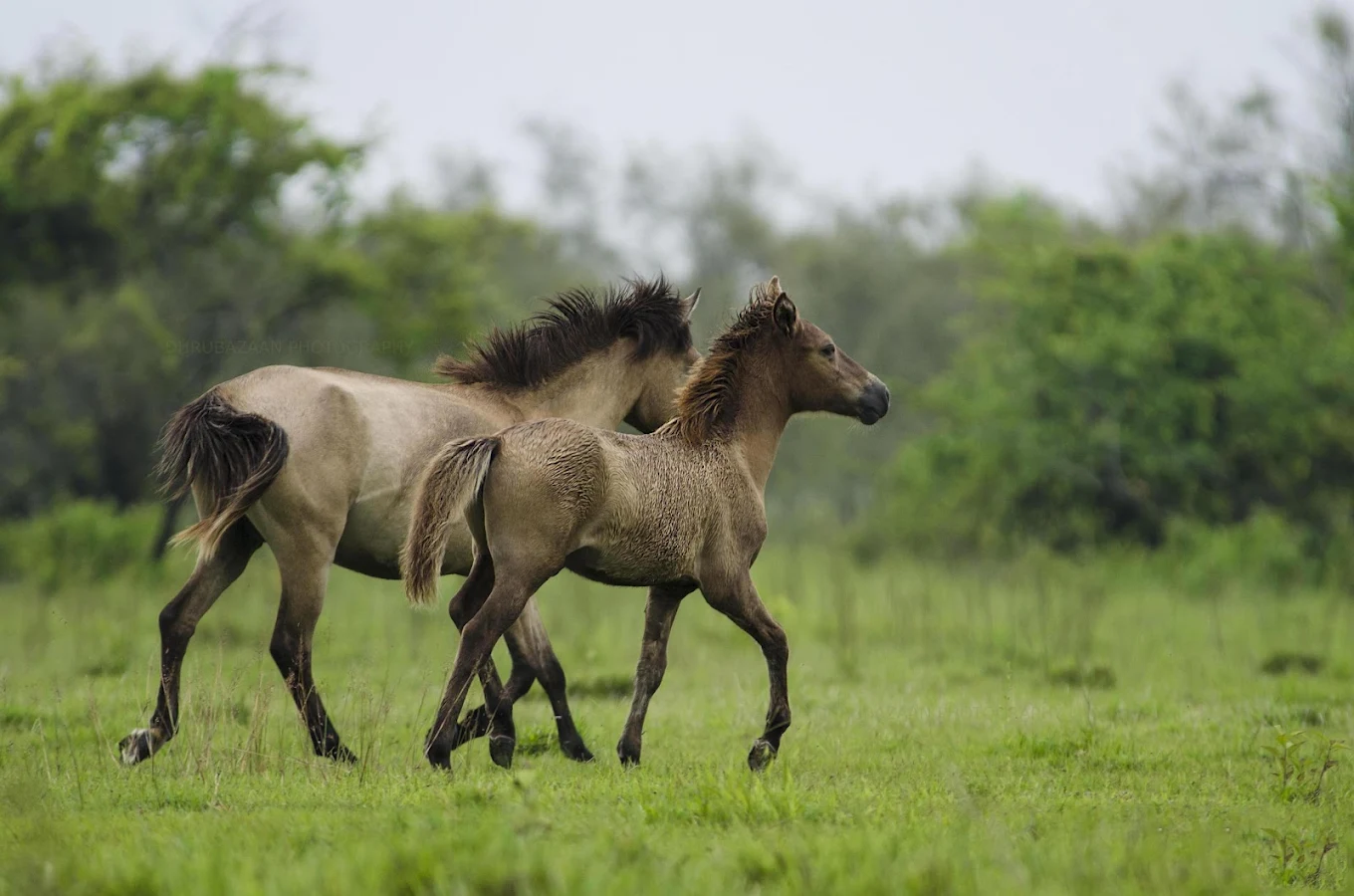
Pobitora Wildlife Sanctuary, located in the Morigaon district of Assam, about 50 km east of Guwahati, is a compact yet richly biodiverse reserve, often referred to as "Mini Kaziranga" due to its high density of the Indian one-horned rhinoceros.
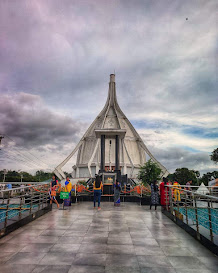
The Purva Tirupati Sri Balaji Temple, located in Betkuchi, on the outskirts of Guwahati, Assam, is a magnificent South Indian-style temple dedicated to Lord Venkateswara (Balaji). Modeled after the famous Tirumala Tirupati Temple in Andhra Pradesh, this temple brings the grandeur of southern temple architecture to the northeastern region of India.
Sivasagar (formerly Rangpur or Sibsagar), located in Upper Assam about 360 km northeast of Guwahati, was the capital of the Ahom Kingdom from the late 17th to late 18th century . Its name—meaning “Sea of Shiva”—derives from the vast Sivasagar Tank (Borpukhuri) around which the town is centered .
Tezpur, located on the northern banks of the Brahmaputra River in Assam, is a town steeped in myth, history, and natural beauty. Known as the "City of Eternal Romance," Tezpur combines lush landscapes, ancient temples, and a vibrant cultural heritage that makes it a significant destination in Northeast India.
Orang National Park, also known as Rajiv Gandhi Orang National Park, is a picturesque wildlife sanctuary located on the north bank of the Brahmaputra River in the Darrang and Sonitpur districts of Assam. Covering an area of about 79 sq. km, it is one of Assam’s most important protected areas and is often referred to as the "Mini Kaziranga" due to its similar landscape and rich biodiversity.
The Umananda Temple is a serene and sacred shrine dedicated to Lord Shiva, located on Umananda Island in the Brahmaputra River, right in the heart of Guwahati, Assam. This island is considered the smallest inhabited river island in the world, and the temple is a perfect blend of spirituality, natural beauty, and cultural heritage.